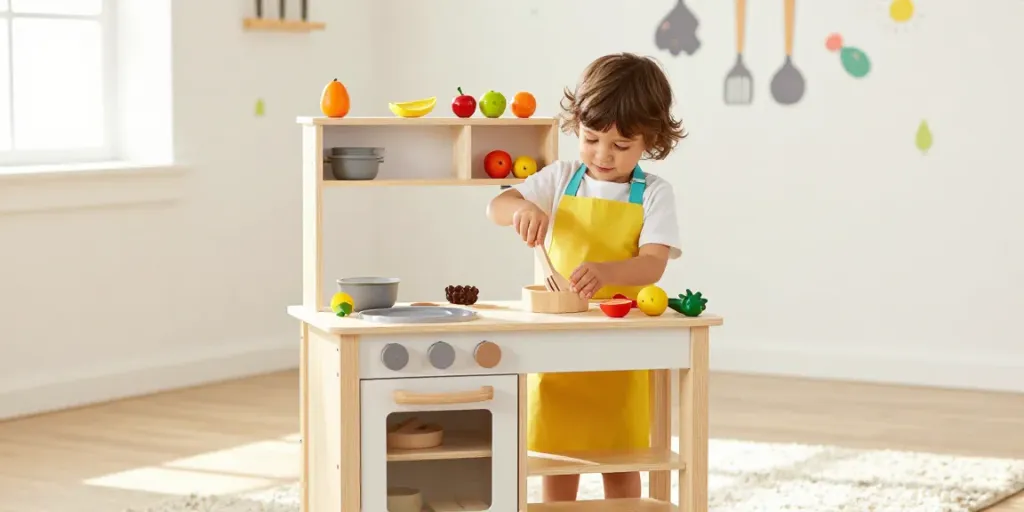
Understanding the Appeal of Wooden Kitchens
Play kitchens have long been cherished by children, serving as a stage for imaginative culinary adventures. Among the various options available, wooden kitchen sets stand out not only for their aesthetic appeal but also for their robust construction and versatility. These toy kitchens enable children to explore and replicate the rituals of cooking and serving, thus inspiring creativity and learning through play.
Why Choose Wooden Kitchen Sets for Kids?
Wooden kitchen sets offer several advantages over plastic alternatives. Their natural materials exude warmth and safety, allowing parents to feel confident in their choice. Furthermore, many manufacturers prioritise sustainability, ensuring that the wood used is harvested responsibly.
Unlike plastic, which can degrade over time or become brittle, wooden toys are incredibly durable. This resilience means that they can withstand the rigours of energetic play, making them an investment that can last through multiple generations of children. Additionally, wooden toys are often crafted with careful attention to detail, which enhances their appeal and offers a more realistic play experience for kids.
The Benefits of Natural Materials in Play
When children engage with wooden kitchen sets, they are not only playing but also benefiting from the tactile experience that natural materials provide. Research suggests that interactions with wood can enhance cognitive development and sensory play, making wooden kitchens an excellent choice for parents seeking to encourage learning through play.
Furthermore, wooden toys are typically free from harmful chemicals or plastics, which can leach into the environment or pose health risks. This aligns with growing parent consciousness regarding eco-friendly products and safety standards for children's toys.
Engaging Children's Imagination Through Realistic Design
One of the most compelling reasons to invest in a wooden kitchen is their ability to spark imaginative play. With realistic features such as shelves, sinks, and food preparation areas, children can simulate real-life cooking scenarios. This not only engages their imagination but also encourages role-playing activities that are crucial for social skills development.
Parents will find that these kitchens often come with various accessories, from pots and pans to play food, which can further enhance the play experience by providing children with tools to create their culinary masterpieces.
Top Features of Quality Wooden Kitchen Sets
Durability and Safety Standards for Young Users
The durability of wooden kitchen sets is a significant selling point. High-quality versions are typically made from hardwoods like maple or beech, which are more resilient than softer woods. These materials not only contribute to longevity but also ensure that the kitchens can support the weight of various play accessories.
Safety is paramount when selecting play items for children. Look for wooden kitchens that comply with safety standards, such as EN71 in Europe, which outlines the safety requirements for toys. Additionally, ensure that the paint used in the designs is non-toxic and free from harmful substances.
Essential Accessories for an Interactive Experience
To enhance the play experience and encourage creative cooking, many wooden kitchen sets come with essential accessories. These may include:
- Cookware, such as pots and pans
- Utensils like spatulas and wooden spoons
- Play food items including fruits, vegetables, and baked goods
- Condiments and other kitchen paraphernalia
By providing these accessories, parents can create a more immersive environment that fosters imaginative play while also teaching children about food and cooking.
Design Considerations for Space and Aesthetics
When choosing a wooden kitchen, consider both the aesthetic appeal and the practical aspects of space. Many manufacturers design their kitchens to fit seamlessly into modern homes, with couples often opting for neutral colours and compact designs that do not overwhelm a room.
Moreover, while aesthetics are essential, functionality should not be overlooked. Choose a model that offers adequate storage for accessories and play items, ensuring that the kitchen remains organised and accessible for children.
Developing Skills Through Role-Play Cooking
Encouraging Creativity and Imagination
Role-playing activities, particularly those that centre around cooking, can significantly enhance a child's creativity and imagination. By taking on different roles, whether as a chef, a waiter, or a customer, children learn to navigate social interactions and develop narratives in their play. This kind of imaginative engagement is essential for cognitive development and encourages critical thinking skills.
Fine Motor Skills and Coordination Development
Playing with a wooden kitchen helps develop fine motor skills. Activities such as stirring, pouring, and arranging food items require dexterity. As children manipulate these objects, they not only gain confidence in their abilities but also improve hand-eye coordination crucial to their overall physical development.
Social Skills and Cooperative Play Opportunities
Wooden kitchens also provide an excellent platform for cooperative play. When children invite friends or family to join in, they learn important social skills such as sharing, teamwork, and communication. These interactions cultivate a sense of community and belonging, which are vital for emotional development.
Maintenance and Care for Wooden Kitchens
Cleaning and Upkeep Best Practices
To ensure longevity and maintain the aesthetic appeal of wooden kitchens, regular maintenance is crucial. Cleaning should be approached with care; a simple wipe-down with a damp cloth and mild soap is usually sufficient. Avoid using harsh chemicals, as they can damage the natural finish of the wood.
Repairs and Upcycling Ideas for Longevity
Wooden kitchens can last a lifetime with the right repairs and upcycling. If a piece gets scratched or dented, consider sanding the affected area and reapplying a food-safe finish. Furthermore, old or damaged kitchens can be transformed into new creations with a bit of creativity, such as converting a kitchen into a dollhouse or an art station.
Storing and Organising Kitchen Accessories
To keep the play area neat and tidy, consider using storage solutions that complement the kitchen decor. Baskets or bins that fit under the kitchen can help in organising accessories, making it easier for children to clean up after their cooking adventures. This also encourages responsibility for their play space.
Future Trends in Children's Play Kitchens
Environmentally Friendly Practices in Toy Manufacturing
As awareness of environmental issues grows, so too does the emphasis on sustainable practices in toy manufacturing. Many brands are now using recycled materials or sustainably sourced wood, appealing to eco-conscious consumers. Look for certifications that denote environmentally friendly practices when selecting a wooden kitchen.
Innovative Features to Expect in 2026
In the coming years, we can expect to see innovative features integrated into wooden kitchens, including adjustable heights for growing children and modular designs that allow for easy reconfiguration. These advancements aim to create more versatile play environments that adapt to a child’s evolving needs and preferences.
Integrating Technology and Play Kitchens
While traditional wooden kitchens focus on imaginative play, future designs may incorporate technology by integrating sound effects or interactive cooking apps. Such innovations can bridge the gap between play and learning, providing children with a modern, engaging experience that still maintains the charm of traditional wooden toys.
What age is a wooden kitchen good for?
Generally, wooden kitchens are suitable for children aged 3 and above. At this age, children have developed the necessary fine motor skills to manipulate the play items safely, while also being able to engage in role-play scenarios that enrich their imaginations.
Are wooden kitchens on trend?
Yes, wooden kitchens continue to thrive in popularity as parents increasingly seek environmentally friendly and durable toys. Their timeless appeal and ability to blend into home decor make them a favourite choice for both children and parents alike.
How much is the Aldi wooden kitchen?
The Aldi wooden kitchens are typically priced around £50 to £100, depending on the model and included accessories. This makes them an affordable entry point for parents looking to introduce their children to the wonders of imaginative cooking.